Something seems to have rattled the Rancho Santa Fe Association.
The RSFA Board on Thursday will consider posting a sweeping new set of rules governing conduct at Board, Art Jury and committee meetings, triggering a 28-day member comment period.
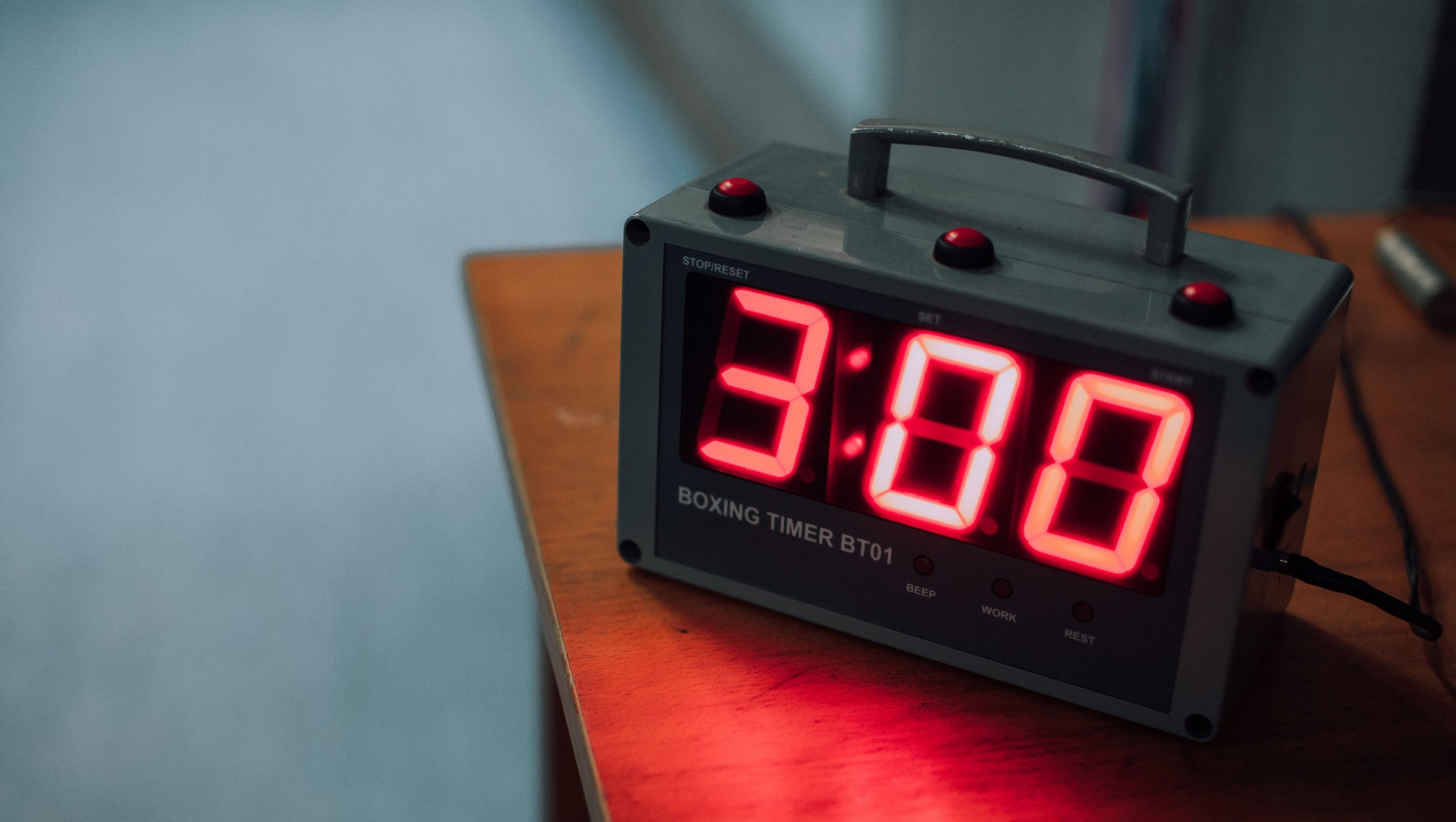
Apparently, three minutes at the microphone now requires three pages of rules.
The proposed rules would allow the Board to restrict topics members may discuss and prohibit remarks it considers “defamatory,” “indecent,” “abusive” or “personal attacks.” Even “legal” threats make the list. Media would need Board approval to attend, recordings would require prior consent, and three “interruptions” – a term never defined – could get you ordered out of the room.
The media provision is particularly interesting. A longtime local reporter covering the Silvergate hearings was asked not to attend Art Jury meetings. Now media attendance at Board meetings would require prior approval. The Association currently records Board meetings and makes the videos available to members. Whether that will continue isn’t explained. There’s always shorthand.
Not surprisingly, members are speaking up. Pointing out irregularities, challenging decisions and questioning whether member input carries much weight at all. But that isn’t a crisis. That’s a homeowners association. And there’s a big difference between regulating conduct and regulating criticism.
To be clear, members are, by and large, civil at Association meetings. And a few years ago, when a member did cross the line, the Board responded by extending its Code of Conduct protections against harassment to committee volunteers as well as staff. So there is already a remedy for genuinely abusive behavior. Criticism is something different. Members get to disagree, point out inconsistencies, question decisions and even suggest that perhaps someone else should have their seat.
The timing is hard to miss. Member frustration hasn’t come from any one decision. It’s been building.
There was the Association’s $2 million settlement with the Department of Justice over allegations involving its $1.54 million PPP loan – not to mention the $300,000 later paid to its former manager, nearly two years after she left. There have been petitions over lost golf privileges, expensive litigation with the Inn, controversial land-use decisions, questions about upholding the Protective Covenant, the steady erosion of the Art Jury’s independence and some very large checks written with member money.
Not surprisingly, members are speaking up. Pointing out irregularities, challenging decisions and questioning whether member input carries much weight at all. But that isn’t a crisis. That’s a homeowners association. And there’s a big difference between regulating conduct and regulating criticism.
What exactly is “abusive”? What’s a “personal attack”? Is saying a director violated the Protective Covenant abusive? And when members have exhausted their appeals to the Board, is pursuing legal action a “legal threat,” or simply the only remedy left?
And perhaps most importantly: Who decides?
The Board does.
After a third undefined “interruption,” a member must leave unless the Board decides otherwise in its “sole discretion.” That’s a lot of discretion for a Board that is supposed to serve its members – not manage them.
Which makes the opening of the resolution especially curious. The Board says member participation “should be encouraged” and declares that “debate is fundamental to our concepts of representative democracy.”
On that, we agree.
After the Board’s approval on Thursday, members will have 28 days to decide whether this is how they want their Association governed. Member input link. If you have an opinion, now would be an excellent time to express it. Politely, of course.
You have three minutes.