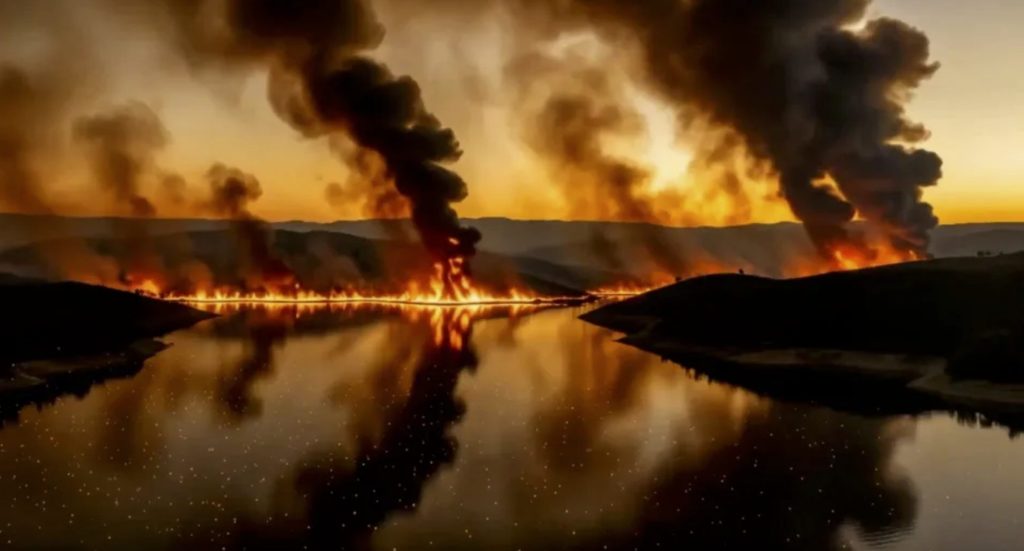
As the one-year anniversary of the Palisades Fire approaches, many in our region are still reflecting on its lessons. Homes were lost, communities were shaken, and one sobering reality became clear: when fire arrived, water was scarce in the nearby reservoir and even in fire hydrants. That memory makes today’s discussion about Lake Hodges especially timely. With all the recent rainfall and potential to restore our water levels, will the City allow the reservoir to fill? So far, the reservoir, which is at 14% capacity, has not been reported to be actively releasing water.
For generations, Lake Hodges has been more than a reservoir. It has served as a natural fire-break against wildfire, a haven for wildlife, a natural power resource, and a critical part of North County’s water security. Yet today, as the lake sits far below its historic operating level, residents are told this drawdown is necessary for safety.
From Fire Break to Tinder Box
Lowering Lake Hodges by 25 to 35 feet has exposed hundreds of acres of dry brush, turning what was once a natural firebreak into a tinderbox. Fire risk around Lake Hodges has climbed dramatically, threatening nearby communities like Rancho Santa Fe and Escondido. In a region already designated a wildfire zone, it’s fair to ask whether this tradeoff truly makes us safer.
Another fact has received far less attention: lowering the lake released roughly 12 billion gallons of water downstream to the ocean. That’s enough water to serve all of North County for nearly two years. In a state that speaks endlessly about drought, conservation, and climate resilience, watching that much water simply flow away gives pause.
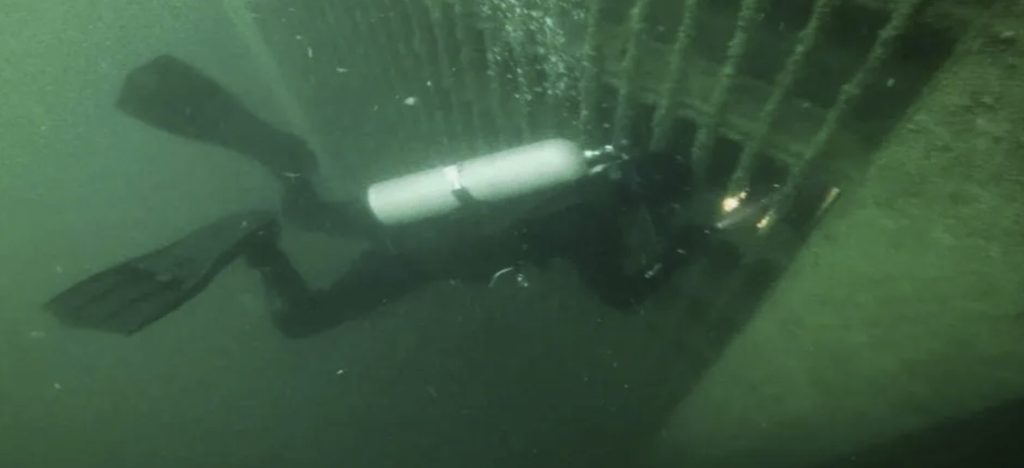
The concern most often cited is the dam itself. But Lake Hodges Dam is not an ordinary structure. Built in 1918, it uses a multiple-arch design that relies on water pressure to enhance stability rather than threaten it. Engineers familiar with this type of dam have noted that catastrophic failure is extraordinarily unlikely – especially compared to traditional solid concrete dams. In fact, lower water levels can reduce hydrostatic pressure and frictional stability, potentially doing the opposite of what’s intended.
Was lowering Lake Hodges truly about dam safety?
Which leads to a fair question: Was lowering Lake Hodges truly about dam safety? Or is it also about the politics and economics of water in Southern California?
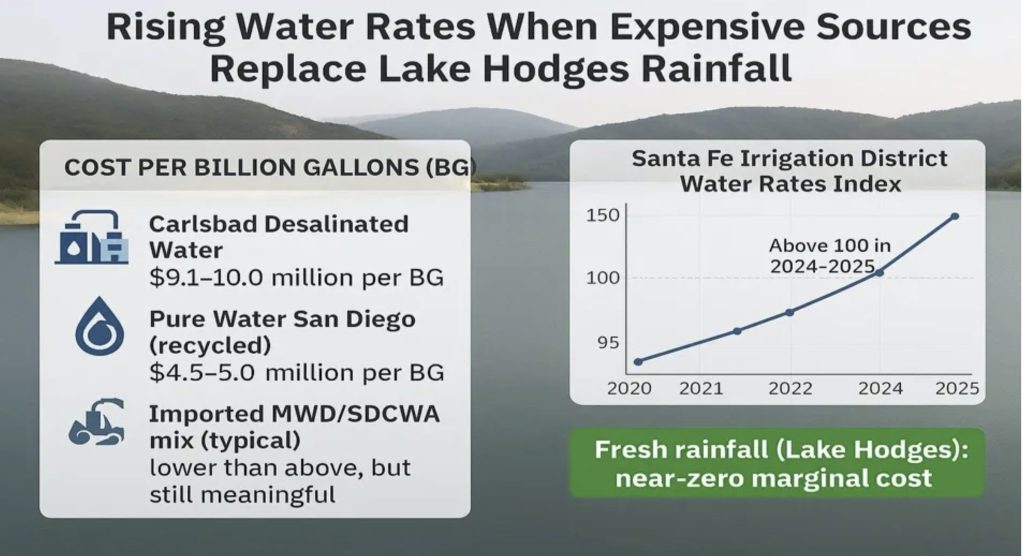
Water here has always been more than a resource; it’s power, leverage, and money. Decisions about who stores it, who releases it, and who ultimately pays for it shape everything from household rates to regional growth. When billions of gallons are released while local water costs rise and wildfire risk increases, it’s fair for residents to wonder whose interests are being served.
Despite growing public interest and repeated appeals from residents and community groups, no city council, county board, or regional water authority has yet taken formal action to raise Lake Hodges. Instead, the issue remains caught in bureaucratic discussions, while the lake stays low, brush dries out, and wildfire risk continues to climb.
Raising Lake Hodges a mere 13 feet would restore a critical fire buffer, revive wildlife habitat, strengthen regional water storage, and honor a dam design that has performed safely for over a century. More than that, it would signal a shift toward common-sense stewardship: one that values facts over fear, and water security over political interests.
Join the conversation rooted in shared values: protecting our communities, safeguarding our environment, and treating water as the precious resource it is. For those who want to learn more or take part in a grassroots effort to have government representation in accordance with the public’s wishes, information is available at: www.raiselakehodges.org
Sometimes getting to the heart of a matter starts with a simple question – and the courage to ask it out loud.
The RSF Post Editorial Board is a group of Rancho Santa Fe neighbors and citizen reporters sharing local stories and issues that shape life in our community.